
Matcha took the UK by storm, but yerba mate is catching up fast. We compare caffeine, antioxidants, taste, cost and the energy feel so you can pick the right green for your lifestyle (or both).
If you walk into a trendy café in London, Bristol or Edinburgh, chances are you'll see a matcha latte in someone's hand. Matcha has been riding the wellness wave since the mid-2010s. But there's a second green in the mix now, yerba mate, and the question "matcha or mate?" is showing up in wellness feeds, gym chats and group chats across the country.
This isn't a hit piece on matcha. Matcha is genuinely brilliant. But so is yerba mate, and the two drinks actually serve slightly different moments in a modern wellness routine. By the end of this article you'll know exactly which one belongs in your morning, which belongs in your pre-workout, and honestly, why plenty of us drink both.
1. Origins and Culture
Matcha: Japan
Matcha is finely ground, shade-grown Japanese green tea. It's been at the centre of Zen tea ceremonies (chanoyu) since the 12th century. Preparation is ritualistic: powder, warm water, bamboo whisk, careful attention. In modern life it's become the flagship "calm focus" drink.
Yerba mate: South America
Yerba mate is an infusion of dried Ilex paraguariensis leaves, a traditional drink of the Guaraní people and the national beverage of Argentina, Uruguay and Paraguay. It's traditionally sipped from a gourd through a metal straw (bombilla), passed around a circle of friends, family or teammates. Culturally, it's less a beverage and more a way of being together: the South American answer to the British pot of tea.
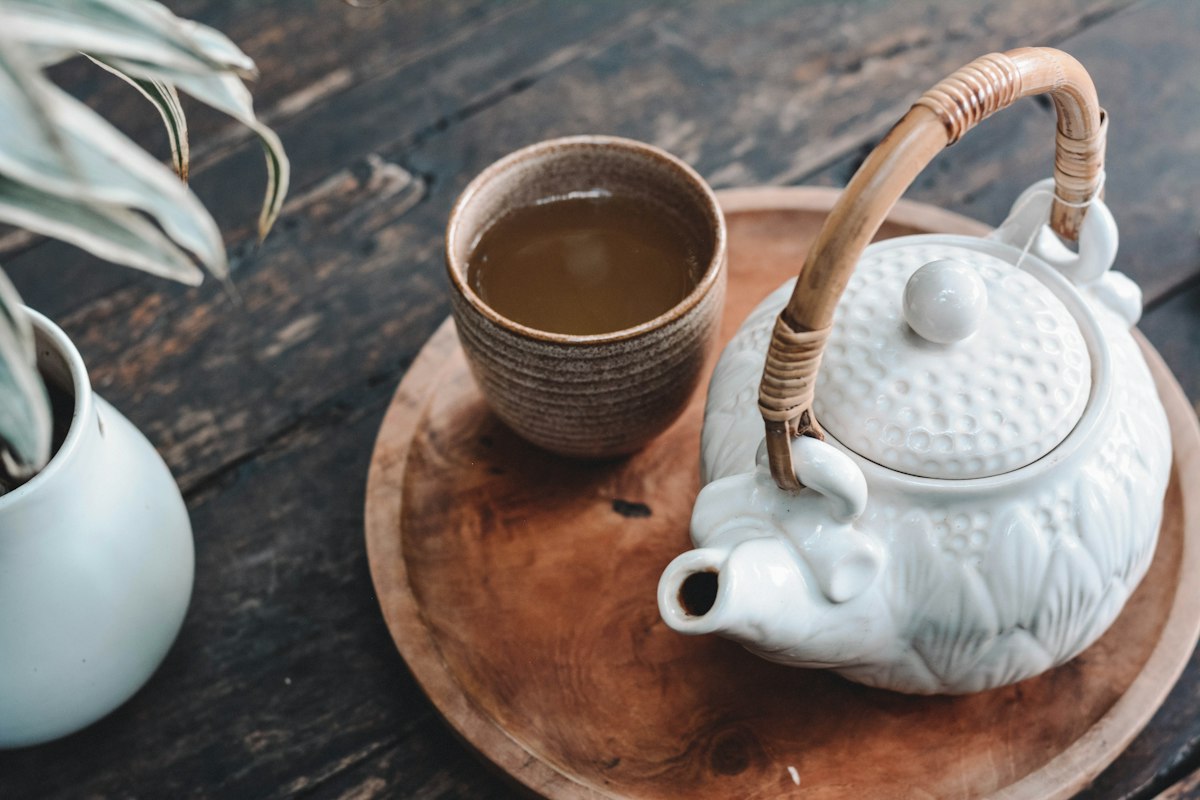
Both have centuries of cultural weight behind them. Neither is a laboratory-designed supplement dressed up as tradition. That matters for authenticity, taste and, in an increasingly sceptical wellness market, trust.
2. Nutritional Face-off
Here's how the two stack up on the numbers that matter, per typical serving.
| Metric | Matcha (2g powder) | Yerba Mate (brewed cup) |
|---|---|---|
| Caffeine | 60-70 mg | 70-80 mg |
| Key co-compounds | L-theanine (calming) | Theobromine, theophylline |
| Antioxidant stars | EGCG (high) | Chlorogenic acids, saponins |
| Vitamins | A, C (trace) | B-vitamins, C |
| Minerals | Trace | Manganese, potassium, zinc |
| Calories (plain) | ~5 kcal | ~0 kcal |
The headline: both are loaded with antioxidants, both deliver moderate caffeine, and both easily outclass coffee on nutrient density. The differences come from the co-compounds, and that's what gives each drink its unique feel.
3. Energy Feel: Zen Focus vs Smooth Drive
This is the most useful distinction, and the one most blog posts gloss over.
Matcha: calm alertness
Matcha's signature is the pairing of caffeine with L-theanine, an amino acid that promotes alpha brain waves and a sense of calm attentiveness. The subjective feel is zen energy: awake, focused, quiet, unhurried. It's a meditator's drink, a deep-work drink, a writer's drink.
Yerba mate: smooth drive
Mate pairs caffeine with theobromine and theophylline. Theobromine is the same mood-lifter you get in dark chocolate: gentler, longer-lasting, subtly uplifting. Together they produce what mate drinkers call smooth energy: motivated, warm, physically ready to move. It's a runner's drink, a trainer's drink, a social drink. Full caffeine numbers in our caffeine guide.
If you're wondering whether mate's energy will actually last, we dug into that in Ditch the Jitters. And if you're interested specifically in the exercise angle, see our fitness deep-dive.
4. Taste and Preparation
Matcha
- Taste: Grassy, umami, slightly sweet at the finish. Can turn bitter with low-grade matcha or water that's too hot.
- Preparation: Sift powder into a bowl or wide cup, add 70°C water, whisk vigorously until frothy. For lattes, top with steamed milk.
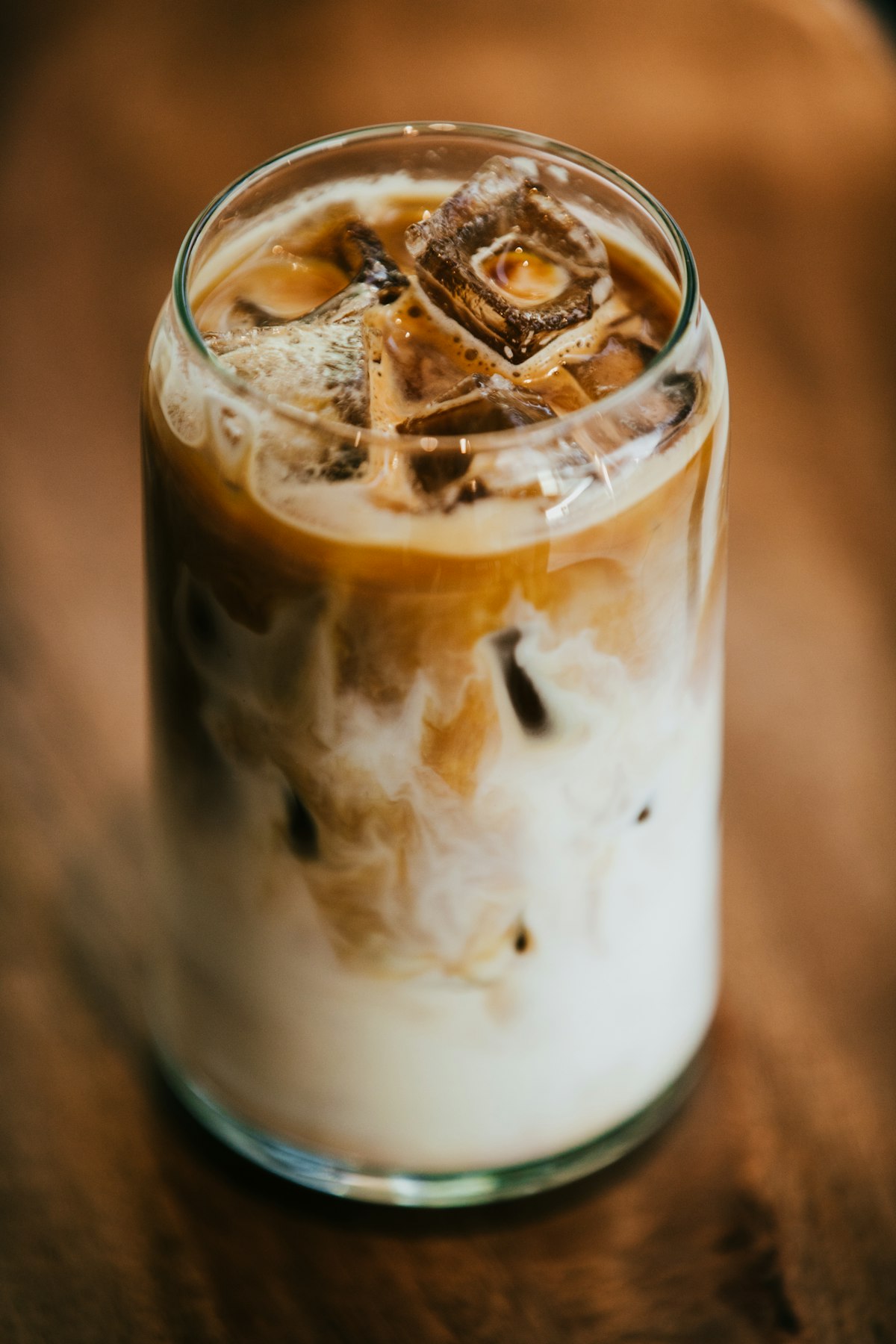
- Best format: Matcha latte with oat milk is the unofficial UK national format.
Yerba mate
- Taste: Earthy, herbal, slightly smoky, mildly bitter. Acquired for some, instantly loved by others. Softens dramatically with lemon, mint or honey.
- Preparation: Traditional gourd and bombilla for the full ritual, or a French press for daily use. Water at 70-80°C, never boiling. See the step-by-step guide.
- Best format: Classic brew in a gourd, or a mate latte for the flat-white crowd.
5. Availability and Cost in the UK
Matcha
Available literally everywhere. Every major coffee chain and most supermarkets stock matcha lattes and powders. Good ceremonial matcha can run £25-£40 per 30g tin, though culinary-grade matcha (for smoothies and baking) is more like £10-£15 per 50g.
Yerba mate
Growing fast in the UK, though proper loose leaf is still mostly the domain of specialists. By weight, mate is usually cheaper than premium matcha: our 200g bag is £10 and gives 30-40 servings, roughly 25-33p per session. More on your options in where to buy yerba mate in the UK.
6. Which Should You Choose?
Choose matcha if...
- You love lattes and creamy, sweetened drinks.
- You want calm, focused energy: ideal for deep work, study or meditation.
- You're caffeine-sensitive and benefit from L-theanine's smoothing effect.
- You want something available on every café menu.
Choose yerba mate if...
- You want a stronger, more motivating pick-me-up: great for mornings, workouts and busy days.
- You're transitioning away from coffee and want a drink with a similar caffeine profile.
- You enjoy earthy, herbal tastes.
- You want appetite support or exercise performance benefits (see our fitness guide).
- You like the idea of a drink with ritual and community baked in.
Or, why not both?
In practice, plenty of wellness-minded Brits keep both in the kitchen. Matcha for calm morning focus. Mate as the afternoon engine or pre-workout. It's not a fight; they cover different moments.
7. The Bigger Picture: Functional Drinks in 2026
Matcha and mate sit inside a much bigger shift: the rise of functional beverages. Kombucha, adaptogenic mushroom coffees, magnesium waters: the whole category is expanding because people want more than just caffeine.
Matcha was the breakout hit of this wave in the UK. Yerba mate has all the hallmarks of the next one: distinctive, authentic, nutrient-rich, steeped in culture, with a clear benefit story. The smart play is to stop viewing these drinks as trends and start viewing them as tools: you pick the one that matches the moment.
Our honest take
If you're choosing one: try yerba mate first if you're moving away from coffee or training seriously. Try matcha first if you want a calmer focus drink and love lattes. If you can afford both, rotate them through your week and you'll quickly discover when each suits you.
Ready to try the other green?
Our starter kit pairs 200g of premium Brazilian loose leaf with a gourd and bombilla, everything you need for your first proper brew.
Shop the Starter KitQuick-Fire FAQs
Which has more caffeine: matcha or yerba mate?
Yerba mate is slightly higher per serving (70-80 mg vs 60-70 mg). Both are lower than a typical coffee.
Which is better for weight loss?
Both have evidence for modest weight-support effects. Mate has slightly stronger evidence for appetite control and fat oxidation in exercise. See our weight-loss deep dive.
Which tastes better?
Personal: matcha is grassy and creamy (especially as a latte), mate is earthy and herbal. Try both.
Can I drink both in the same day?
Yes. Matcha in the morning, mate mid-afternoon or pre-workout, is a common and comfortable combo. Just watch your total caffeine.
Is matcha or mate better for focus?
Matcha's L-theanine gives the cleanest calm focus; mate gives more drive. Studying quietly? Matcha. Need to get things done? Mate.
Are either of these drinks safe daily?
Both are safe for most adults in moderation: 1-3 servings per day. Pregnant, nursing, or on medication? Check with your GP.
The Bottom Line
Matcha and yerba mate aren't rivals; they're different tools in the same toolbox. Matcha is the zen-focus drink; mate is the smooth-drive drink. One belongs in your quiet morning, the other belongs in your 2pm push or your Saturday run.
If you've been on matcha for years, give mate a proper two-week try. You might be surprised how well it slots into the parts of your day matcha doesn't quite cover.
Curious to go deeper? Start with the Yerba Mate 101 guide, read about switching from coffee, or explore the ritual and recipes in The Yerba Mate Lifestyle.